Making a real impact, one step at a time.
1. Project at a Glance
Particular Details
Project Name सीमांचल नशा मुक्ति अभियान
Theme Drug Prevention, Awareness & Rehabilitation
Implementing Organization People of Hope
Project Duration 12 Months
Geographic Focus Seemanchal, Bihar
Primary Target Group Youth, Adolescents & Drug-Affected Individuals
Secondary Target Group Families, Teachers & Community Leaders
Funding Option 1 ₹5,00,000
Funding Option 2 ₹10,00,000
Implementation Approach Community-Based
Key Components Awareness, Counselling, Referral, Volunteer Training, Follow-up
2. Executive Summary
नशे की लत व्यक्ति, परिवार और समुदाय के लिए गंभीर सामाजिक चुनौती बन सकती है। विशेष रूप से युवाओं में substance use शिक्षा, रोजगार, स्वास्थ्य, पारिवारिक संबंधों और सामाजिक भागीदारी को प्रभावित कर सकता है।
People of Hope द्वारा प्रस्तावित “सीमांचल नशा मुक्ति अभियान” 12 महीने की community-based परियोजना है। इसका उद्देश्य नशे की समस्या को केवल उपचार के दृष्टिकोण से नहीं, बल्कि prevention, awareness, early identification, counselling, referral, rehabilitation support और social reintegration के समग्र दृष्टिकोण से संबोधित करना है।
परियोजना के अंतर्गत चयनित समुदायों में awareness meetings, youth programmes, school/educational institution sessions, family counselling, community counselling camps, IEC distribution, volunteer training और appropriate treatment facilities को referral support दिया जाएगा।
परियोजना किसी भी प्रकार के clinical treatment को स्वयं substitute नहीं करेगी। जहां medical intervention या specialized de-addiction treatment आवश्यक होगा, beneficiaries को qualified professionals तथा appropriate/authorized services से जोड़ा जाएगा।
प्रस्तावित 12-महीने का प्रभाव
परियोजना की funding के अनुसार लगभग:
8,000–15,000 community members तक awareness
2,000–4,000 youth/students तक targeted sessions
300–500 individuals/families को counselling/referral support
50–100 community volunteers का capacity building
10,000+ IEC/digital awareness contacts
का लक्ष्य रखा जा सकता है।
ये indicative targets हैं और baseline तथा selected project geography के बाद final किए जाएंगे।
PAGE 2 — BACKGROUND & NEED
3. समस्या की पृष्ठभूमि
नशे की समस्या को केवल व्यक्तिगत व्यवहार के रूप में देखना पर्याप्त नहीं है। इसके पीछे सामाजिक, आर्थिक, पारिवारिक, मनोवैज्ञानिक और environmental factors हो सकते हैं।
नशे के कारण व्यक्ति को:
स्वास्थ्य संबंधी समस्याओं का सामना करना पड़ सकता है।
शिक्षा या रोजगार प्रभावित हो सकता है।
परिवार के साथ संबंध कमजोर हो सकते हैं।
आर्थिक कठिनाइयां बढ़ सकती हैं।
सामाजिक अलगाव बढ़ सकता है।
अपराध एवं अन्य जोखिमपूर्ण व्यवहारों की संभावना बढ़ सकती है।
पुनर्वास के बाद relapse का जोखिम बना रह सकता है।
इसलिए intervention को person + family + community तीनों स्तरों पर काम करना आवश्यक है।
4. Seemanchal Context
सीमांचल क्षेत्र में बड़ी ग्रामीण आबादी, सीमित संसाधन और विभिन्न सामाजिक-आर्थिक चुनौतियां मौजूद हैं। ऐसे क्षेत्रों में awareness और accessible support mechanisms को मजबूत करना महत्वपूर्ण है।
कई परिवार addiction को stigma या सामाजिक शर्म के कारण सार्वजनिक रूप से स्वीकार नहीं करते। परिणामस्वरूप affected person समय पर counselling या treatment तक नहीं पहुंच पाता।
यह परियोजना confidentiality, dignity और non-judgmental support के सिद्धांतों पर आधारित होगी।
5. Project Rationale
People of Hope निम्नलिखित gaps को address करने का प्रयास करेगा:
Gap 1 — Awareness Gap
कई लोगों को addiction के शुरुआती संकेत और उसके स्वास्थ्य/सामाजिक प्रभावों की जानकारी नहीं होती।
Gap 2 — Information Gap
परिवारों को यह जानकारी नहीं होती कि सहायता कहां से प्राप्त की जाए।
Gap 3 — Stigma
नशे से प्रभावित व्यक्ति अक्सर सामाजिक stigma का सामना करता है।
Gap 4 — Referral Gap
Awareness के बाद भी व्यक्ति को उचित treatment/referral service तक पहुंचने में कठिनाई हो सकती है।
Gap 5 — Youth Prevention
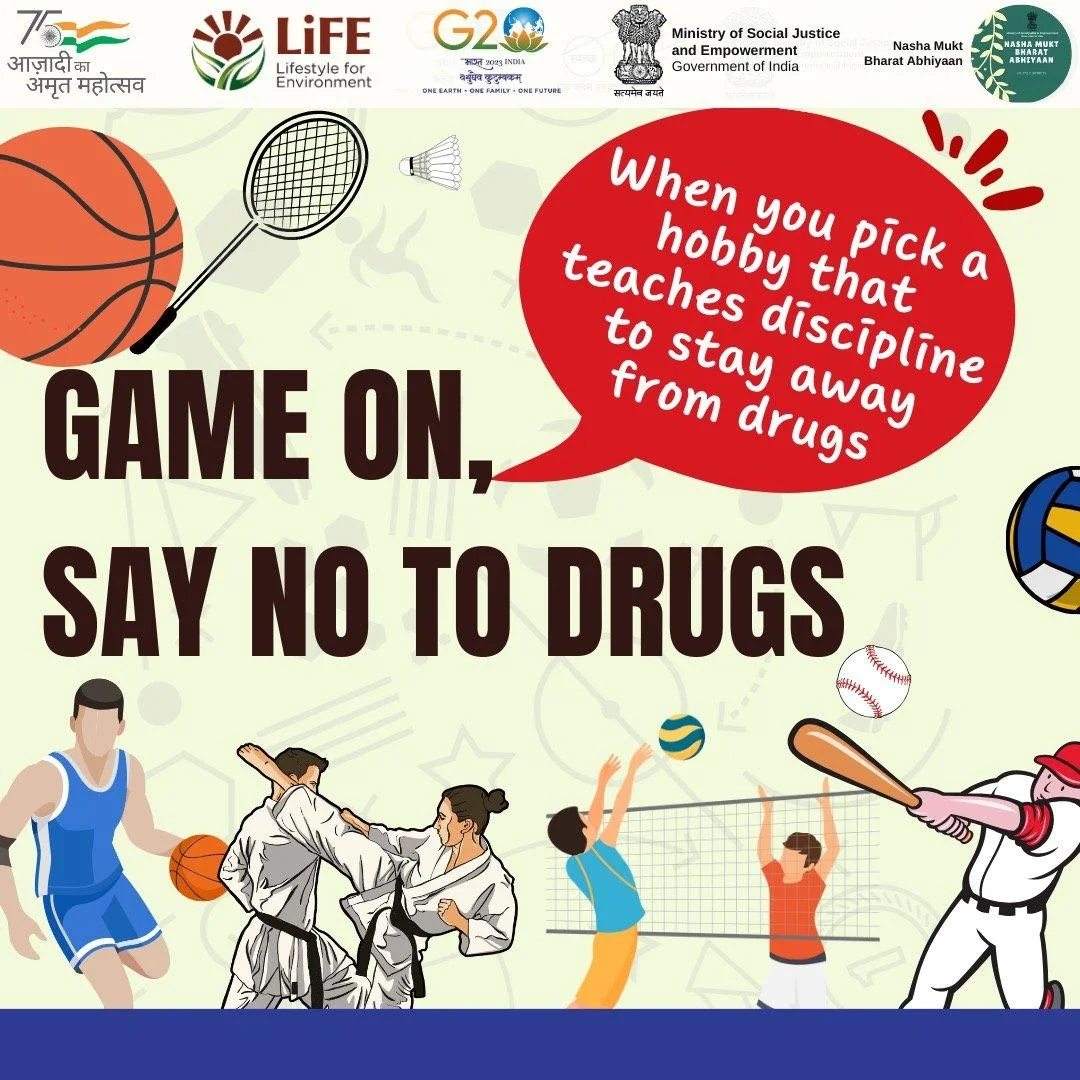
युवाओं को early prevention और positive alternatives की आवश्यकता होती है।
PAGE 3 — GOAL, OBJECTIVES & BENEFICIARIES
6. Overall Goal
सीमांचल क्षेत्र में नशे की रोकथाम और नशे से प्रभावित व्यक्तियों एवं परिवारों के लिए awareness, counselling, referral और rehabilitation support mechanisms को मजबूत करना।
7. Specific Objectives
Objective 1
समुदायों में drug abuse prevention और healthy lifestyle के बारे में awareness बढ़ाना।
Objective 2
युवाओं एवं किशोरों को substance abuse के जोखिमों से अवगत कराना।
Objective 3
Drug-affected individuals और families के लिए counselling और referral support उपलब्ध कराना।
Objective 4
Local youth volunteers को trained community resource persons के रूप में विकसित करना।
Objective 5
Schools, community organizations, families और local stakeholders को prevention network में जोड़ना।
Objective 6
Treatment के बाद social reintegration और positive livelihood/education pathways को प्रोत्साहित करना।
8. Target Beneficiaries
Primary
Direct beneficiaries:
Drug/substance-affected individuals
Adolescents
Youth
Vulnerable community members
Secondary
Parents
Spouses
Children of affected families
Teachers
Community leaders
Youth volunteers
9. Beneficiary Selection
Beneficiaries की पहचान निम्न माध्यमों से की जा सकती है:
Community outreach
Awareness sessions
School/youth programmes
Family referrals
Self-referrals
Community volunteers
Local stakeholder referrals
किसी beneficiary की personal information केवल आवश्यक सीमा तक और उचित confidentiality safeguards के साथ रखी जाएगी।
PAGE 4 — PROJECT COMPONENTS
10. Major Project Components
Component 1 — Community Awareness
Activities
Village-level awareness meetings
Small-group discussions
Community rallies/walks
Awareness camps
Anti-drug pledge activities
Public IEC displays
Key Messages
नशे से बचाव
Early warning signs
Treatment की आवश्यकता
Family support
Healthy lifestyle
Youth empowerment
Component 2 — School & Youth Programme
Selected educational institutions/community youth groups के साथ sessions आयोजित किए जाएंगे।
Topics
Peer pressure
Decision-making skills
Substance abuse prevention
Mental well-being
Healthy recreation
Career and education goals
Social media awareness
Proposed Format
60–90 minute interactive session
जिसमें:
Introduction
Awareness presentation
Video/visual material
Question-answer
Expert interaction where available
Pledge/action commitment
Feedback
Component 3 — Counselling Support
Counselling activities का उद्देश्य affected individuals और families को initial support और appropriate referral प्रदान करना होगा।
Counselling Topics
Addiction awareness
Motivation for treatment
Family communication
Relapse-risk awareness
Treatment adherence
Social support
Rehabilitation planning
Clinical diagnosis या medical treatment केवल qualified professionals द्वारा किया जाना चाहिए।
11. Referral Mechanism
एक structured referral pathway विकसित किया जाएगा:
Community Identification
↓
Initial Screening/Needs Assessment
↓
Counselling
↓
Professional/Authorized Service Referral
↓
Treatment/Rehabilitation
↓
Family Support
↓
Follow-up
↓
Social Reintegration
Component 4 — Family Support
परिवारों के लिए awareness sessions आयोजित किए जाएंगे।
Family Sessions
Addiction को समझना
Stigma कम करना
Supportive communication
Treatment compliance
Relapse warning signs
बच्चों की सुरक्षा
Family well-being
Component 5 — Youth Volunteer Programme
स्थानीय युवाओं में से volunteers की पहचान कर उन्हें basic awareness और referral protocol पर प्रशिक्षित किया जाएगा।
Training Topics
Drug prevention basics
Communication skills
Active listening
Community mobilization
Referral procedures
Confidentiality
Safeguarding
Documentation
PAGE 5 — IMPLEMENTATION PLAN
12. 12-Month Implementation Calendar
Activity M1-2 M3-4 M5-6 M7-8 M9-10 M11-12
Baseline & Mapping ✓
Community Awareness ✓ ✓ ✓ ✓ ✓ ✓
School/Youth Sessions ✓ ✓ ✓ ✓ ✓
Counselling ✓ ✓ ✓ ✓ ✓
Referral Support ✓ ✓ ✓ ✓ ✓
Volunteer Training ✓ ✓ ✓
Family Sessions ✓ ✓ ✓ ✓ ✓
Digital Campaign ✓ ✓ ✓ ✓ ✓ ✓
Monitoring ✓ ✓ ✓ ✓ ✓ ✓
Final Evaluation ✓
13. Implementation Methodology
Step 1 — Baseline
Project villages/communities में initial assessment किया जाएगा।
Step 2 — Community Mapping
Relevant schools, community groups, health facilities, rehabilitation services और stakeholders की mapping।
Step 3 — Awareness
Target communities में structured awareness programme।
Step 4 — Identification
Potentially affected individuals और families को appropriate support pathway से जोड़ना।
Step 5 — Counselling
Basic counselling और motivation support।
Step 6 — Referral
Specialized care की आवश्यकता होने पर appropriate professional/authorized service provider को referral।
Step 7 — Follow-up
जहां appropriate और consent-based हो, referral follow-up और family support।
Step 8 — Evaluation
Project outputs और outcomes का assessment।
14. Theory of Change
Inputs
Funding + People + Volunteers + IEC + Partnerships
↓
Activities
Awareness + Youth Sessions + Counselling + Referral + Training
↓
Outputs
More people reached + trained volunteers + counselling cases + referrals
↓
Short-Term Outcomes
Improved knowledge + reduced stigma + increased help-seeking
↓
Medium-Term Outcomes
Improved access to treatment/support + stronger family/community support
↓
Long-Term Impact
Healthier, safer and more drug-resilient communities
PAGE 6 — DETAILED BUDGET
15. Budget Option A — ₹5,00,000
Sl. Budget Head Amount
1 Community Awareness Programmes ₹1,00,000
2 School & Youth Awareness ₹50,000
3 Counselling & Referral Support ₹75,000
4 IEC Materials ₹45,000
5 Volunteer Training ₹40,000
6 Community Meetings & Outreach ₹50,000
7 Digital Awareness Campaign ₹25,000
8 Field Travel & Local Logistics ₹40,000
9 Monitoring & Documentation ₹25,000
10 Communication & Administration ₹50,000
TOTAL ₹5,00,000
₹5 Lakh Model
यह model सीमित geographical area में concentrated intervention के लिए उपयुक्त होगा।
इसमें priority दी जाएगी:
Awareness + Youth + Counselling + Referral
16. Budget Option B — ₹10,00,000
Sl. Budget Head Amount
1 Large-scale Community Campaign ₹1,75,000
2 School & Youth Programmes ₹1,00,000
3 Counselling & Referral Support ₹1,50,000
4 IEC & Campaign Materials ₹75,000
5 Volunteer Training ₹75,000
6 Community Outreach ₹1,00,000
7 Digital/Media Campaign ₹50,000
8 Field Travel & Logistics ₹75,000
9 Monitoring & Evaluation ₹50,000
10 Project Coordination & Communication ₹1,00,000
11 Contingency/Operational Support ₹50,000
TOTAL ₹10,00,000
₹10 Lakh Model
यह model multiple communities/villages में larger-scale intervention के लिए design किया गया है।
इससे campaign की geographical reach, youth engagement, counselling/referral activities और monitoring capacity बढ़ाई जा सकती है।
Final budget donor/CSR guidelines, actual quotations, staff structure, geographical coverage और applicable statutory requirements के अनुसार संशोधित किया जाएगा।
PAGE 7 — LOGFRAME, M&E & SUSTAINABILITY
17. Logical Framework
Level Expected Result Indicator Verification
Impact Drug-resilient communities Improved awareness/help-seeking End-line study
Outcome Increased prevention & access Knowledge/referral indicators Surveys/reports
Output 1 Community awareness Sessions & participants Attendance/photos
Output 2 Youth engagement Students reached Session records
Output 3 Counselling Individuals supported Counselling records
Output 4 Referral Referrals completed Referral records
Output 5 Volunteers Volunteers trained Training records
Output 6 Family support Families engaged Session reports
18. Monitoring & Evaluation
Monthly Monitoring
Project team monthly review करेगा:
Activities completed
Beneficiaries reached
Budget utilization
Referral cases
Challenges
Corrective actions
Quarterly Review
हर तीन महीने:
Progress against targets
Community feedback
Youth participation
Referral effectiveness
Financial review
End-Line Evaluation
Project के अंतिम चरण में:
Knowledge improvement
Awareness level
Service awareness
Beneficiary feedback
Community-level outcomes
Lessons learned
का assessment किया जाएगा।
19. Key Performance Indicators
Output Indicators
Number of awareness events
Number of villages/communities reached
Number of participants
Number of youth sessions
Number of counselling sessions
Number of referrals
Number of trained volunteers
IEC materials distributed
Outcome Indicators
Increase in knowledge scores
Increased awareness of available services
Improved willingness to seek help
Increased family support
Improved community participation
20. Documentation & Reporting
CSR partner को आवश्यकता के अनुसार उपलब्ध कराया जा सकता है:
Monthly activity reports
Quarterly progress reports
Photographs
Attendance records
Beneficiary stories/case studies, with consent
Financial utilization documentation
Monitoring data
Final project report
Impact assessment
21. Risk Management
Risk Mitigation
Social stigma Confidential & respectful engagement
Low participation Local leaders & volunteers
Treatment access Referral partnerships
Dropout Follow-up & family engagement
Relapse Continued support/referral
Data privacy Restricted beneficiary information
Funding constraints Phased implementation
Community resistance Early stakeholder consultation
22. Safeguarding & Ethical Principles
People of Hope project implementation में निम्न principles अपनाएगा:
Beneficiary dignity
Non-discrimination
Confidentiality
Informed consent
Child safeguarding
Do-no-harm approach
Qualified professional referral
No public disclosure of beneficiary identity without consent
विशेष रूप से बच्चों/किशोरों से संबंधित activities में appropriate safeguarding procedures अपनाई जाएंगी।
23. Sustainability Strategy
परियोजना समाप्त होने के बाद intervention को sustainable बनाने के लिए:
1. Community Volunteers
स्थानीय volunteers को long-term awareness resource के रूप में विकसित किया जाएगा।
2. School Partnerships
Schools और youth groups के साथ continued awareness activities को प्रोत्साहित किया जाएगा।
3. Referral Network
Relevant health/de-addiction services और local stakeholders के साथ referral linkages मजबूत किए जाएंगे।
4. Digital Campaign
Low-cost social media awareness को जारी रखा जाएगा।
5. Community Ownership
Local community leaders और families को project ownership में शामिल किया जाएगा।
6. CSR Partnerships
Successful pilot के बाद additional villages और communities तक scale-up के लिए CSR partnerships विकसित की जाएंगी।
24. Expected Impact
12 महीने के intervention से निम्न प्रकार के परिवर्तन की अपेक्षा की जाएगी:
Awareness
→ लोगों को नशे के जोखिमों की बेहतर जानकारी
Prevention
→ युवाओं में preventive behaviour को बढ़ावा
Early Identification
→ समस्या को जल्दी पहचानने की क्षमता
Counselling
→ affected individuals/families को initial support
Referral
→ appropriate treatment services तक बेहतर पहुंच
Family Support
→ stigma में कमी और supportive environment
Community Action
→ स्थानीय volunteers और stakeholders की भागीदारी
25. CSR Partnership Opportunity
People of Hope CSR partners से इस project को support करने का अनुरोध करता है।
CSR Partner के सहयोग से:
₹5 लाख
एक focused community-based intervention को support कर सकते हैं।
₹10 लाख
एक larger multi-community programme को support कर सकते हैं।
CSR partner की आवश्यकता के अनुसार project में branding visibility, periodic reporting, monitoring visits, documentation और impact reporting शामिल किए जा सकते हैं।
26. Conclusion
नशे के विरुद्ध लड़ाई केवल awareness campaign से नहीं जीती जा सकती। इसके लिए परिवार, युवा, स्कूल, समुदाय, healthcare professionals, civil society और responsible donors के सामूहिक प्रयास की आवश्यकता है।
“सीमांचल नशा मुक्ति अभियान” का उद्देश्य एक ऐसा community support system विकसित करना है जहां नशे से प्रभावित व्यक्ति को stigma के बजाय समझ, counselling, treatment referral और पुनर्वास का अवसर मिले।
People of Hope CSR partners और donors से इस महत्वपूर्ण सामाजिक पहल में भागीदारी का आह्वान करता है।
“एक युवा को नशे से बचाना, एक परिवार का भविष्य बचाना है।”
नशा छोड़ें — जीवन जोड़ें — समाज बदलें।
We believe that consistent effort and community engagement are the keys to long-term success. Through this project, we are not just providing temporary relief, but building a foundation for a self-sustaining future.